I’m getting closer to a fully updated studio and, more importantly, finally sitting down to paint. However, added some responsive lighting for the cabinet and display case!

Right now, I’m still in the setup and research phase, but it feels like I’m building real momentum. This stage is less about output and more about preparation, making sure that when I start, I can move fast, stay consistent, and focus purely on creative execution.
Transitioning to Dropper Bottles
One of the biggest shifts in my practice is moving away from traditional paint pots and toward dropper bottles.
While I’ve been happy with Citadel paints overall, the packaging has always felt like a limitation. With the investment I’ve made in high-end brushes, especially from El Miniaturista, I want to protect them and extend their lifespan as much as possible.


Dropper bottles solve several problems at once:
Reduce the risk of paint creeping into the ferrule, which can ruin brushes over time
Improve paint control and consistency when mixing
Work much better with a wet palette
Minimize paint exposure to air, helping preserve the paint longer
This change is less about brand loyalty and more about building a system that supports precision and longevity.
First Attempt at Making Rivets
I’ve also started exploring some basic kitbashing techniques, starting with rivet creation.
After watching Valbjorn’s tutorial on making rivets, I decided to try it myself. I didn’t have pewter sheets on hand, so I experimented with heavy-duty aluminum foil instead. It’s not a perfect substitute, but it was a good way to understand the process and start building the skill.
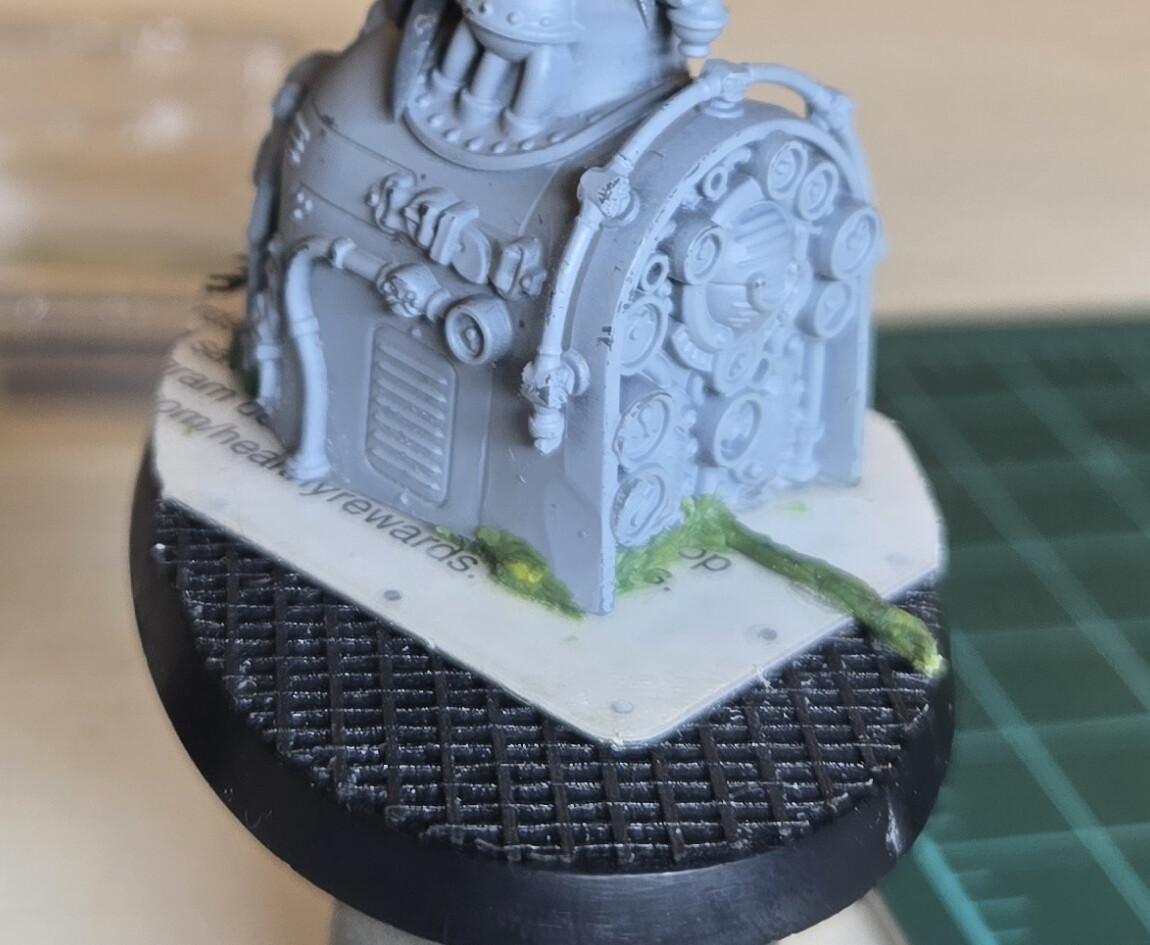
This is something I’m surprised I didn’t try sooner, especially given how impactful small details like rivets can be on a finished model.
Validating Tools and Materials
I also spent some time reviewing product choices and overall value. A breakdown by Ninjon comparing Games Workshop products to alternatives was especially helpful.
It reinforced that many of the decisions I’ve made so far, especially around tools, paints, and materials, are setting me up well for higher-end work. That kind of validation is important at this stage, as I’m trying to build a reliable and repeatable workflow rather than constantly second-guessing purchases.
Material Study: Iridescent Chitin
In preparation for painting Tyranids, I started looking into how iridescent insect shells actually work.

Old attempt at Iridescent.
Iridescence in bugs isn’t caused by pigment, but by microscopic surface structures that refract and interfere with light. These layered structures bend different wavelengths depending on the viewing angle, creating that shifting, oil-slick effect often seen in beetles and other insects.
Understanding this is important because it changes how I approach painting. Instead of thinking in terms of static color, I need to think in terms of:
Layered transparency
Controlled reflections
Color shifting through glazing and interference effects
This will directly inform how I approach chitin on Tyranid models moving forward.
Resources This Week
Here are the key resources I explored during this phase:
Paint Transfer to Dropper Bottles
https://www.youtube.com/watch?v=Ljn4lilimdgMaking Rivets
https://www.youtube.com/watch?v=AFa3CqreZM4Product Value Breakdown
https://www.youtube.com/watch?v=ahf4wBeJ5FwIridescent Material Study
https://www.youtube.com/watch?v=RJbIWQc2NuU&t=629s
This week has been about setting the foundation. The tools are coming together, the workflow is taking shape, and the research is starting to translate into clear direction.
Next step: Hopefully paint actually hits the model.